The 1am Call
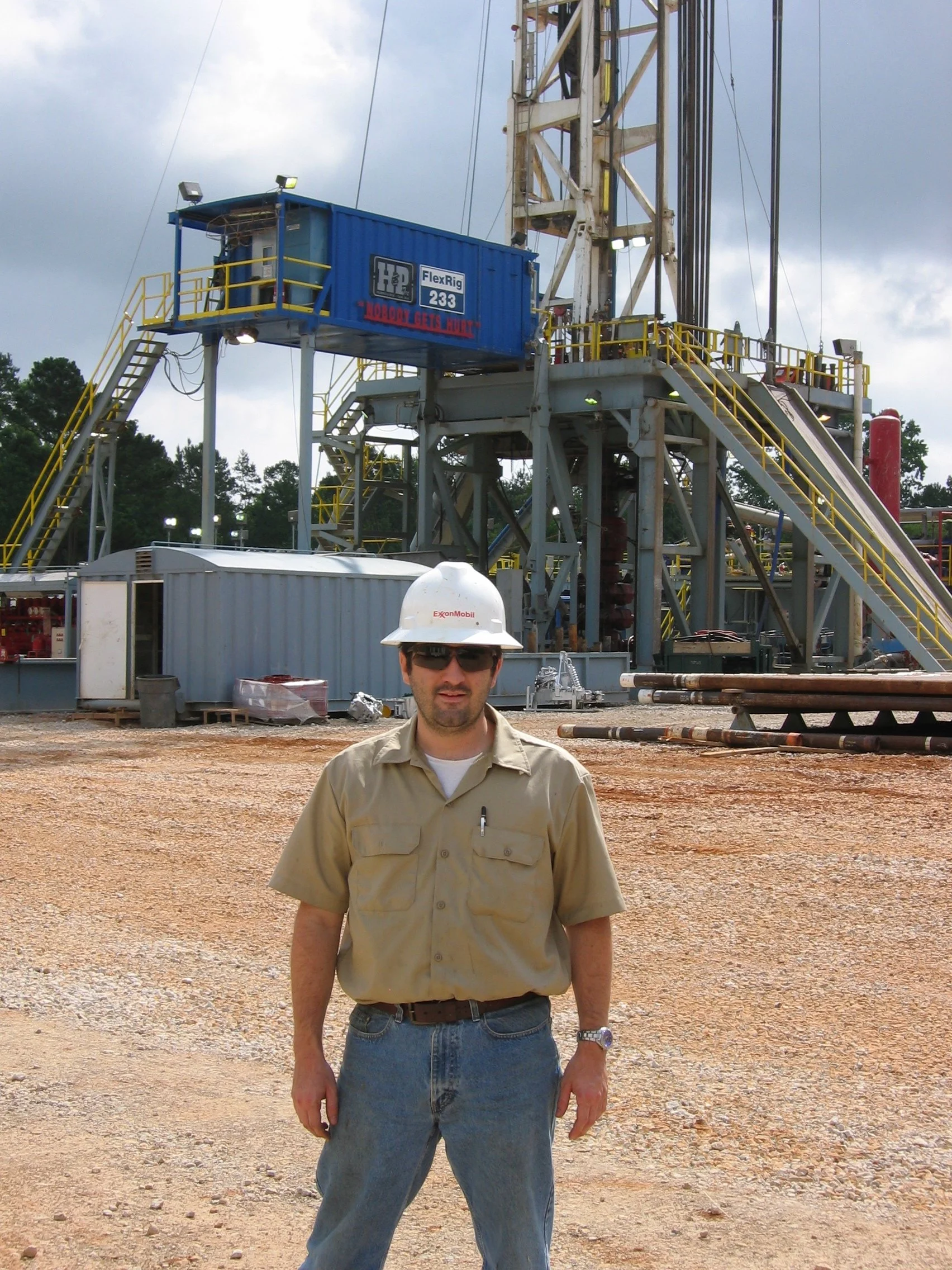
It was 11:30pm on a Friday when we got stuck.
East Texas. Middle of summer. Hot even at midnight. I was 24 years old, standing on a drilling rig outside Nacogdoches, watching the mud losses climb and knowing we weren't going to make it any further.
I was the company man onsite and the drilling engineer. The guy responsible for a multi-million dollar well and a crew of roughnecks who'd been working rigs longer than I'd been alive.
And I had a decision to make.
We'd hit a problem downhole—the kind where you either push forward and hope it clears, or you cut your losses, pump cement, set a whipstock, and sidetrack to a new bore.
That's another $1 million.
I ran the numbers in my head. How stuck were we? Could we keep going? Were the mud losses going to stop or get worse? If we sidetracked, would we just hit the same problem again?
I did the calculations. 500 feet of cement. Wait for it to cure. Set the whipstock. Start drilling a new path.
The math said it would work.
But the math wasn't the hard part.
The hard part was the phone call.
It was 1am by the time I had the plan figured out. I had the drilling manager's personal cell number—the kind you only call in an emergency. She was way above my pay grade. Senior. Experienced. Someone who'd been doing this for 20+ years.
I was 24.
I hesitated. Should I wait until morning? Should I call my boss first? Could this wait until Monday?
No. The rig crew was already pulling out of the hole. If we didn't move fast, we'd be paying hourly rates for guys standing around waiting. Thousands of dollars an hour in standby time.
I dialed slowly. Cleared my throat. The phone rang.
Please don't pick up. Please pick up.
"Hello?"
"Hi, Ms. Richards. This is Shawn Isakson, your drilling engineer on the Trawick 18-8H well. We've run into a problem."
I walked her through it. The mud losses. The stuck pipe. My calculations. The plan to sidetrack.
She asked a few questions. Risks. Costs. Where we were underground. How certain was I?
A pause. Then: "Alright. Go ahead with the sidetrack. Keep me posted."
"Thank you, ma'am."
She hung up.
I called the cement contractors at 1am. Ordered the cement. Called another vendor to hotshot a whipstock to the site—a giant metal wedge that would guide the drill bit down a new path. Four-hour drive. Had to be there by morning.
By 7am, we were pumping cement.
We waited for it to cure. Took samples at the surface to make sure it was solid. Set the whipstock. Drilled the sidetrack.
Two weeks later, the well was finished.
Over budget - yes. But absolutely a commercial success. No injuries. Minimal downtime. Gas flowing to market.
I went back to the site a few months later.
The rig was gone. The crew was gone. The noise, the chaos, the drama—all of it, gone.
What was left? A quiet gravel pad. A small yellow wellhead. A pipe disappearing back into the ground, carrying gas to market.
No sound. Just nature all around.
We'd gone from paper plans to this. From a midnight crisis to a functioning well. From my shaky 1am phone call to something real, something that worked.
I used to think about that night all the time.
Now? I'd honestly forgotten about it until someone asked me when I last felt out of my depth.
Funny how that works. At the time, it felt massive—career-defining even.
Looking back, I realize what mattered wasn't that I got it right.
It's that I learned something:
You don't need to have all the answers. You need to do the math, make your recommendation, and trust the people with more experience to tell you if you're wrong.
The roughnecks on that rig didn't need me to be the smartest guy in the room. They needed me to do the math, own the decision, and call it in.
Ms. Richardson didn't need me to be perfect. She needed me to give her my best recommendation at 1am—and then she'd decide.
Sometimes your math shows one thing. Sometimes experience shows another. But you still have to make the call.
At 24, I didn't feel ready. I felt like I was faking it.
But here's what I've learned since:
Readiness isn't a feeling. It's a decision you make in the moment when there's no time left to second-guess yourself.
The ladder you think you're supposed to climb? It doesn't exist.
There's just you, the problem, and the people trusting you to figure it out.
If you're early in your career and wondering when you'll feel "ready"—you won't.
But you'll make the call anyway. And you'll learn more from that one decision than from a hundred training sessions.