Available now for a 90 to 180 day seat
Interim CEO and COO for companies between leaders
I take the seat for 90 to 180 days, then hand it to your permanent leader with the team and the operating rhythm already running. As the first CEO of a regional law firm of about 50 attorneys, I had the leadership team in place within six months, and it stayed, along with the reviews and the reporting, after I handed off.
Based in Whitefish, Montana, working with clients anywhere. LinkedIn
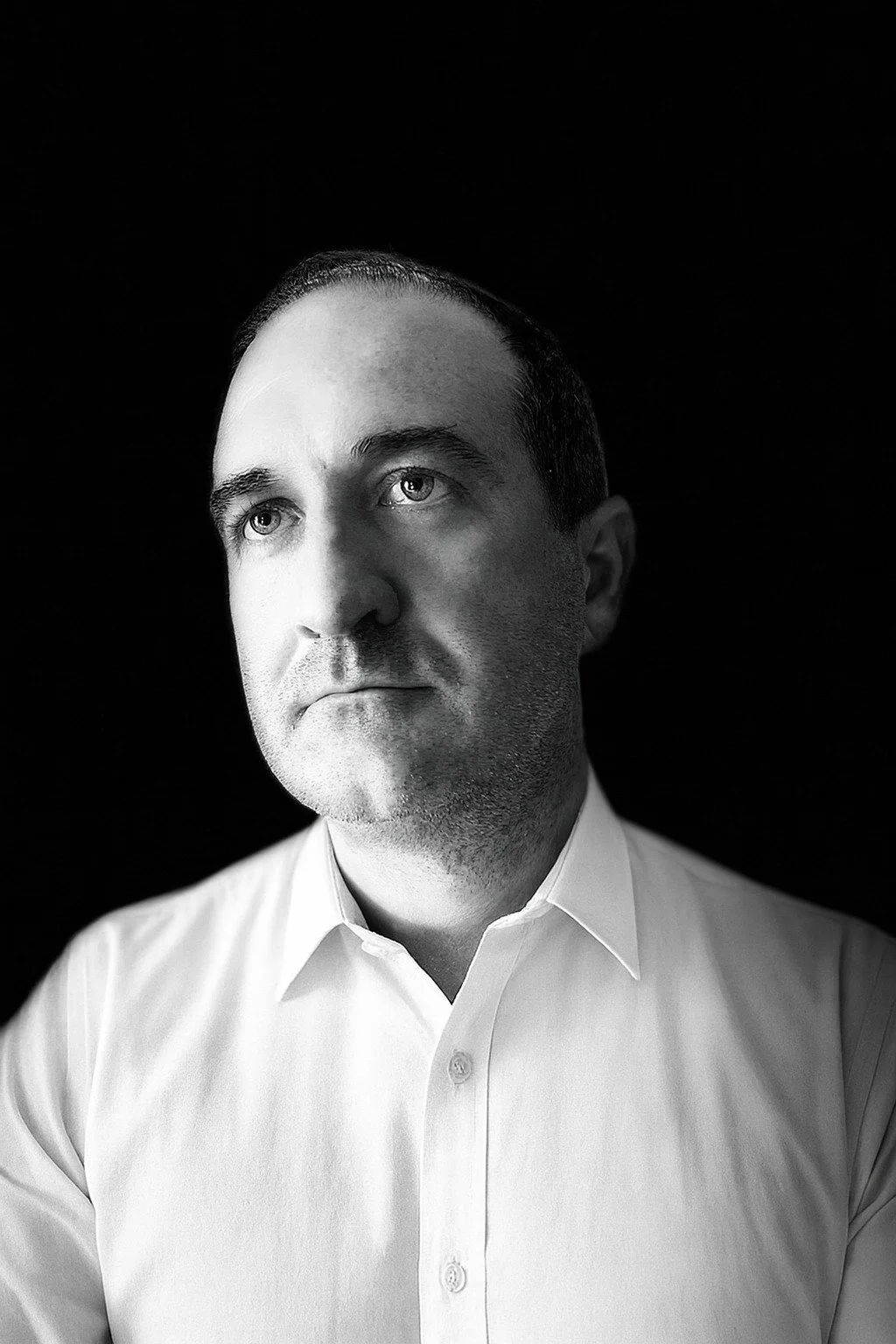
First CEO Built the firm’s first leadership team. 13 direct reports down to 4.
GE Capital VP LP representative for 6 companies in a PE energy portfolio.
BP Prudhoe Bay Led the 2006 emergency restart, about 200,000 barrels a day back within about 100 days.
Engineer, Yale MBA Montana Tech engineering degree with Honors, then Yale School of Management.
Who this is for
Which of these is your seat?
Founder-owners
Most of the company still runs through you, and you'd like a team you trust underneath you without giving up ownership. Before I became CEO, the managing shareholder ran everything. I built a leadership team under him, and he became chairman.
PE operating partners and boards
There's a CEO gap or a succession coming, and you need someone in the seat you can explain to your investment committee in one sentence. I've sat on the investor side. At GE Capital I was the LP representative for 6 portfolio companies through the 2014 to 2016 downturn.
Search partners
Your name goes on every shortlist you send, so the record has to check out. The short version for your client: he built a firm's first leadership team as its first CEO, was a GE Capital VP on the investor side, and led a $100M project at Prudhoe Bay as an engineer. The full record is below.
Where I’m useful
Situations I step into as interim CEO or COO
The owner still runs everything
As the firm's first CEO, I created and filled the COO, CFO, CTO, HR and Marketing roles under the managing shareholder.
Too many people report to the top
When I became CEO I had 13 direct reports. Adding leads and teams under four practice heads got that down to 4.
No weekly or monthly rhythm
I met daily with each new leader, then weekly. Then came weekly operating reviews and monthly financial and AR reviews.
A CEO gap or a succession
I handed off to the incoming managing shareholder with a written operating handbook, so the next leader started with the rhythm already written down.
Systems the business has outgrown
At the firm I spent over a year moving everything out of our own data center, in leased space, and into the Microsoft cloud. On the operations side, invoices went out in a day instead of a month, and new matters opened in 3 days instead of 50.
When I hand off
What’s still there after I leave
A leadership team that runs without the owner
Key leadership team in place within 180 days, with the talent and systems to keep running.
A cadence your permanent leader can keep running
Weekly and monthly reviews and live reporting, written into an operating handbook.
Reporting the owners can read for themselves
Live reporting, refreshed every 15 minutes, with a dashboard for owners.
The record
What I’ve actually run
The longer story, from an East Texas rig onward, is on my About page.
First CEO, regional law firm
I recruited and coached the executive team, owned the banking, credit and guarantees, refinanced the debt, and set owner pay, buy-ins and buyouts.
Vice President, GE Capital
LP representative across 6 portfolio companies in a PE energy portfolio, advising the operator GPs. When the 2014 to 2016 downturn hit, the work was cost reduction and renegotiated terms, then buyer lists for exits.
Project Engineer and Subsurface Petroleum Engineer, BP
After the August 2006 corrosion shutdown at Prudhoe Bay, I led the emergency restart that brought about 200,000 barrels a day back within about 100 days. Then I led the $100M Phase 1 of the pipeline replacement, about 500 people at peak, to startup in March 2008 on its 18-month schedule. What got it done was knowing who decided, who needed to know, and how to put a clear recommendation in front of them.
I was 26 when I took charge of that project, and the people around me had about 20 more years of experience than I did. Before startup I kept asking myself whether it was ready and whether it was safe, because once it starts there’s no going back. I signed the pig that went in to fill the new line. When it started up, we had really done it.
Senior Staff Project Engineer, ExxonMobil
2002 to 2006. At 24 I was company man on an East Texas rig, with the superintendent running the site. On another project, I cut contractor change-order claims 90%.
Yale MBA, 2012. Selected as 1 of 5 Yale students to participate in the 2011 McKinsey Global Operations Leadership Forum. BS, Mechanical Engineering option (General Engineering), Honors, Montana Tech, 2002. Montana Tech Foundation board. Founded a scholarship at Montana Tech.
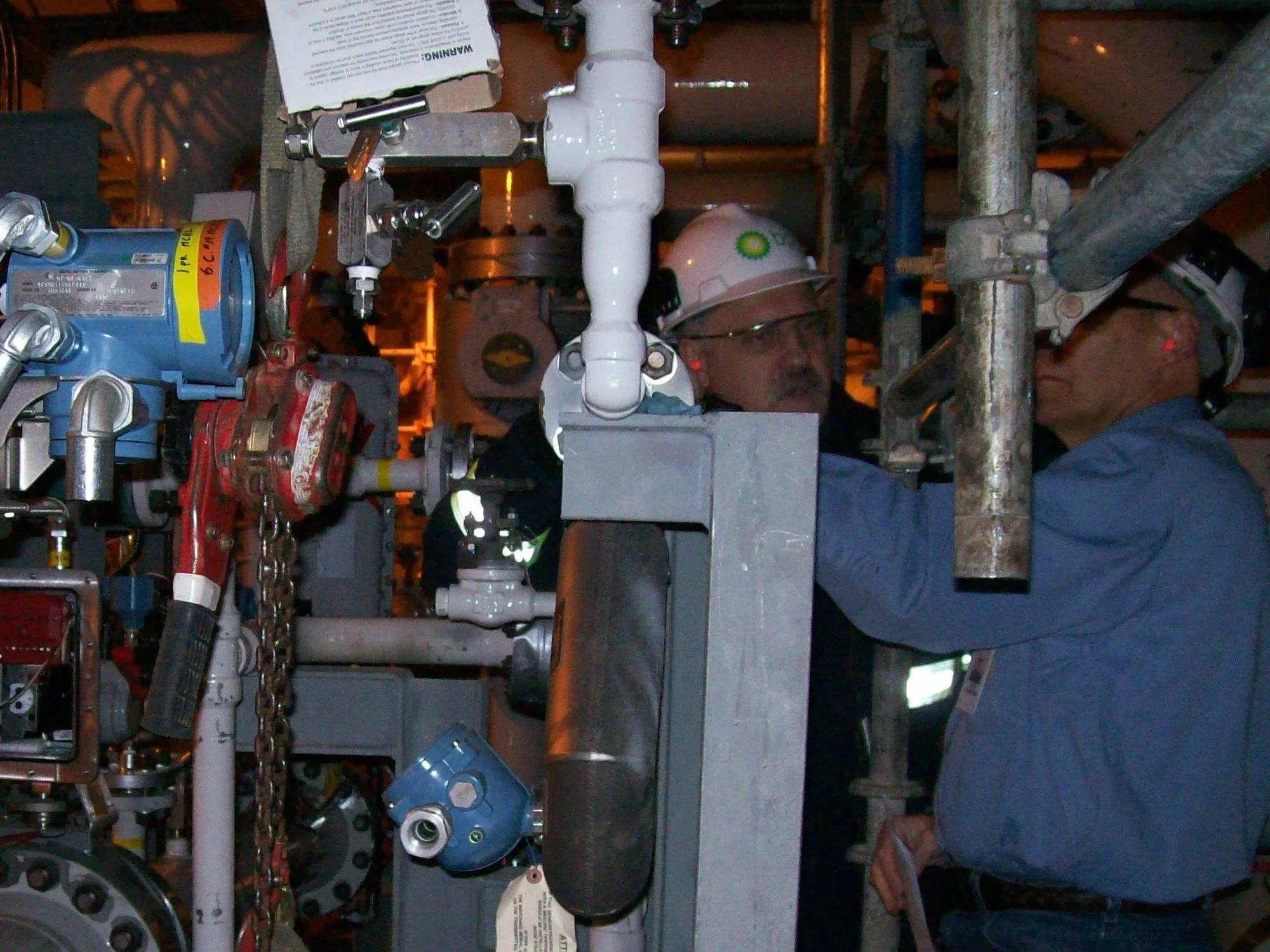
BP, Prudhoe Bay, Alaska, 2008
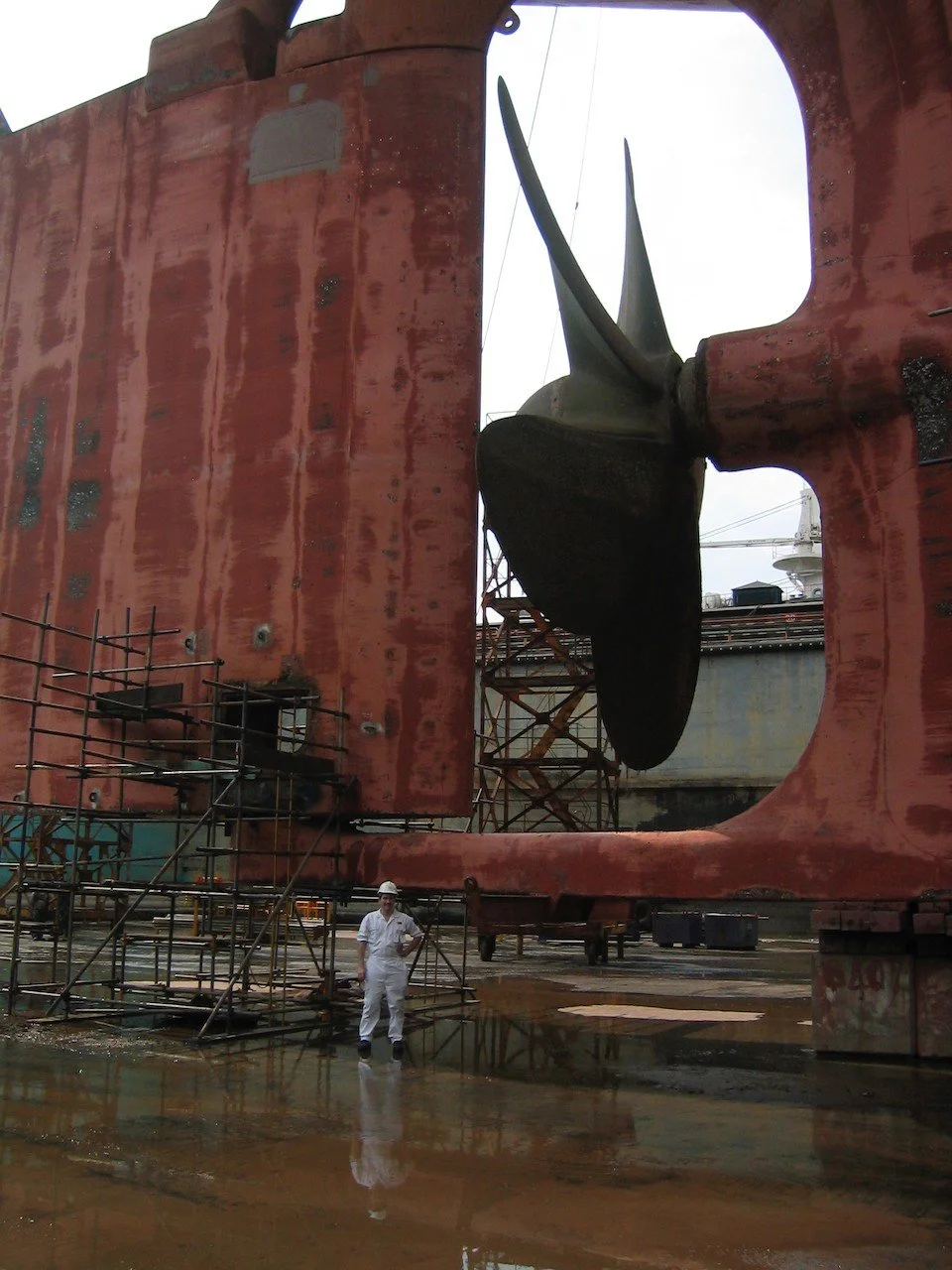
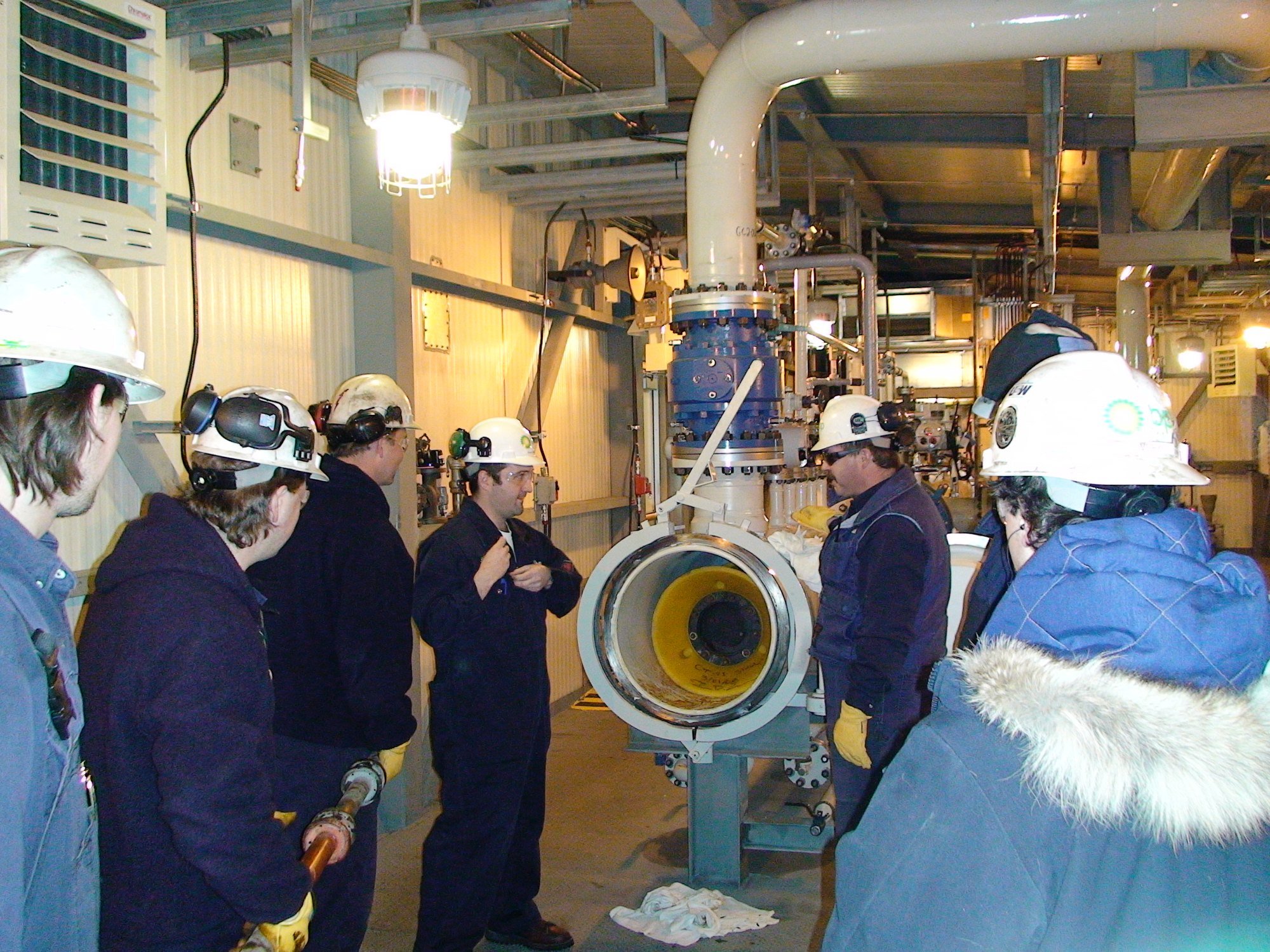
How it works
How an engagement works
A first conversation
A few lines about the business and the seat, then a short call.
The scope
Interim CEO or interim COO for 90 to 180 days, or a fractional COO role that owns the operating cadence without a full-time hire.
The handoff
I hand the team, KPIs, operating reviews and live reporting to your permanent leader, who keeps running them.
Questions
Common questions
Do you take interim CEO and interim COO roles?
Yes. I take interim CEO and interim COO seats of 90 to 180 days at owner-held and PE-backed companies in services, technology, manufacturing and industrial operations. I also take fractional COO roles for companies that want the operating cadence owned without a full-time hire.
Where are you based, and do you travel?
I'm based in Whitefish, Montana, and I work with clients anywhere. I first became a United 1K flyer when I was 24, and I've worked on an East Texas rig, in engineering offices across the globe, and at Prudhoe Bay, north of the Arctic Circle, so travel is normal for me.
Do you also teach?
Yes. Through Foundations I teach early-career engineers at energy and industrial firms the unwritten rules of corporate life, and I serve on the Montana Tech Foundation board.
Get in touch
Tell me about the situation
Have a seat to fill, or still deciding whether you need one? I’m available now. Send a few lines about the business, and we’ll talk it through on a short call.
Or write to shawn@shawnisakson.com, or find me on LinkedIn.